




Sleep Apnea
Sleep apnea is a serious sleep disorder that affects millions of Americans and can significantly impact your overall health, energy levels, and quality of life. If you frequently wake up feeling exhausted, experience loud snoring, or find yourself struggling with daytime fatigue, sleep apnea may be the cause. At our dental practice, we help patients identify common signs of sleep-disordered breathing and provide custom oral appliance therapy options designed to improve sleep quality and support better long-term health.
What Is Sleep Apnea?
Sleep apnea is a condition in which breathing repeatedly stops and starts during sleep, sometimes occurring 20 to 30 times or more per hour. Each time breathing stops, oxygen levels in the body drop, causing the brain to briefly wake the body to restore normal breathing. Because these interruptions are often extremely short, many people do not realize they are waking up throughout the night.
This repeated wake-sleep cycle prevents the body from reaching the deep, restorative stages of sleep needed for proper physical and mental recovery. As a result, people with sleep apnea often feel tired during the day even after what seemed like a full night of sleep.
Sleep apnea can affect people of all ages and backgrounds and should never be ignored, as untreated sleep apnea may increase the risk of serious medical complications.
Common Signs and Symptoms of Sleep Apnea
Many patients live with sleep apnea for years without realizing it. The following symptoms may indicate the presence of obstructive sleep apnea or another sleep-related breathing disorder:
- Loud or chronic snoring
- Waking up gasping for air or short of breath
- Snorting or choking sounds during sleep
- Difficulty staying asleep or insomnia
- Morning headaches
- Dry mouth or sore throat upon waking
- Excessive daytime sleepiness
- Trouble concentrating during the day
- Mood changes or irritability
- Falling asleep unintentionally while working, reading, or driving
- Feeling tired even after a full night of sleep
If you or a loved one experiences one or more of these symptoms, it is important to seek professional evaluation and treatment.
Types of Sleep Apnea
There are three primary types of sleep apnea:
Obstructive Sleep Apnea (OSA)
Obstructive sleep apnea is the most common form of sleep apnea. It occurs when the soft tissues in the back of the throat relax and collapse during sleep, temporarily blocking the airway and restricting airflow.
Central Sleep Apnea (CSA)
Central sleep apnea occurs when the brain does not properly signal the muscles responsible for breathing. Unlike obstructive sleep apnea, CSA is not caused by a physical airway blockage.
Complex or Mixed Sleep Apnea
Complex sleep apnea, also known as mixed sleep apnea, combines characteristics of both obstructive and central sleep apnea.
Risk Factors for Sleep Apnea
Although sleep apnea can affect anyone, certain factors may increase the likelihood of developing the condition. Common risk factors include:
- Excess body weight or obesity
- Smoking or tobacco use
- Alcohol consumption
- Use of sedatives or tranquilizers
- Family history of sleep apnea
- Chronic nasal congestion
- High blood pressure
- Being over the age of 40
- Larger neck circumference
- Certain medical conditions affecting the heart or nervous system
Men are statistically more likely to develop obstructive sleep apnea, but women and children can also be affected.
Why Sleep Apnea Should Not Be Ignored
Untreated sleep apnea is considered a serious medical condition that may contribute to a wide range of health complications. Repeated oxygen deprivation and interrupted sleep patterns can place stress on the cardiovascular system and negatively affect daily life.
Potential complications of untreated sleep apnea include:
- High blood pressure
- Increased risk of heart disease
- Stroke
- Heart failure
- Type 2 diabetes complications
- Depression and anxiety
- Memory and concentration issues
- Chronic fatigue
- Increased risk of workplace or driving accidents
- Complications during surgery or anesthesia
If you suspect you may have sleep apnea, it is important to speak with your physician or sleep specialist before undergoing surgery or taking sedative medications.
Sleep Apnea Treatment Options
Treatment for sleep apnea depends on the severity and type of the condition. In many cases, conservative and non-invasive treatment options can significantly improve symptoms and sleep quality.
Lifestyle Changes
Mild sleep apnea may improve with healthy lifestyle adjustments such as:
- Weight loss
- Sleeping on your side instead of your back
- Avoiding alcohol before bedtime
- Quitting smoking
- Improving sleep habits
CPAP Therapy
Continuous Positive Airway Pressure (CPAP) therapy is a common treatment that uses pressurized air to keep the airway open during sleep.
Oral Appliance Therapy
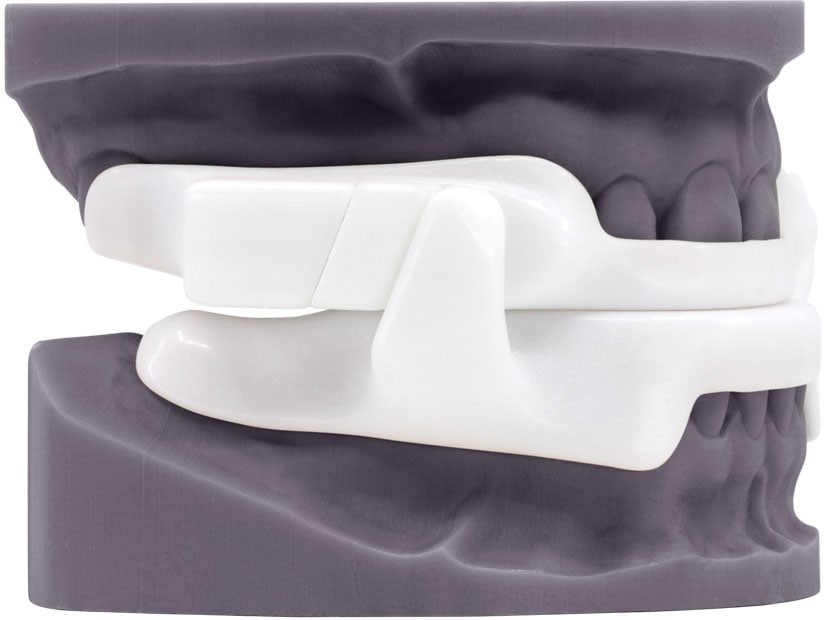
Custom oral appliances are a comfortable and effective alternative for many patients with mild to moderate obstructive sleep apnea. These appliances are designed to gently reposition the jaw and tongue to help keep the airway open during sleep.
Oral appliance therapy may help reduce:
- Snoring
- Interrupted breathing
- Daytime fatigue
- Poor sleep quality
As a dental practice, we can create custom-fitted sleep apnea oral appliances designed specifically for your comfort and needs.
Surgical Treatment
In severe cases, surgery may be recommended to remove or reduce airway obstructions.
How a Dentist Can Help With Sleep Apnea
Dentists play an important role in identifying signs of sleep apnea and providing oral appliance therapy for eligible patients. If you are experiencing chronic snoring, fatigue, or symptoms of obstructive sleep apnea, our team can help guide you through the next steps.
We may recommend a consultation with a sleep physician or sleep apnea specialist, who can perform a sleep study to determine the severity of the condition. Once diagnosed, we can work alongside your medical team to provide a custom oral appliance tailored to your treatment plan.
Schedule a Sleep Apnea Consultation
Better sleep can improve your overall health, energy, and quality of life. If you or someone in your family may be suffering from sleep apnea, contact our office today to schedule a consultation. We are committed to helping patients find effective sleep apnea treatment solutions, reduce snoring, and achieve healthier, more restful sleep.
Other General Dentistry Services
Preventive Care | Peosta Dental
Good oral health starts with prevention. Regular brushing, flossing, rinsing, healthy eating, and routine dental visits help protect your teeth and gums while reducing the risk of cavities, plaque buildup, and future dental problems. With simple daily habits and consistent checkups, you can keep your smile healthy, clean, and confident for years to come.
Common Dental Procedures | Peosta Dental
At Peosta Dental, we provide comprehensive preventive, restorative, and cosmetic dental procedures to help patients maintain healthy, confident smiles. From routine dental exams and cleanings to crowns, bridges, fillings, root canals, veneers, and wisdom teeth removal, our experienced dental team offers personalized care using modern dental technology and patient-focused treatment solutions. Whether you need preventive maintenance or advanced restorative dentistry, we are committed to helping you achieve long-term oral health.
Gum Disease | Peosta Dental
Gum disease, also known as periodontal disease, can lead to bleeding gums, bad breath, gum recession, and tooth loss if left untreated. Learn about the causes, symptoms, prevention, and advanced periodontal treatment options available to help protect your gums, restore oral health, and keep your smile healthy for years to come.
TMJ-TMD | Peosta Dental
General Dentistry TMJ-TMD Treatment Temporomandibular Disorder (TMD), often referred to as TMJ disorder, affects millions of Americans each year and can lead to chronic facial pain, jaw discomfort, recurring headaches, neck pain, and difficulty with everyday activities such as eating and speaking. Because the symptoms of TMD can develop gradually, many people may not realize […]
Snoring Prevention | Peosta Dental
Improve your sleep and reduce chronic snoring with custom oral appliance therapy designed to keep your airway open and promote quieter, healthier nights.
Digital X-Rays | Peosta Dental
Advanced digital dental X-rays provide safer, faster, and more accurate imaging to help detect cavities, bone loss, impacted teeth, and other hidden oral health concerns early. Using modern low-radiation technology, digital radiography improves diagnostics, enhances patient comfort, and supports more precise preventive and restorative dental care.
Laser Dentistry | Peosta Dental
Discover advanced laser dentistry for comfortable, precise dental treatments with faster healing, less discomfort, and improved results. Learn about soft tissue and hard tissue laser dental procedures.
Intraoral Camera | Peosta Dental
Discover how advanced intraoral camera technology helps detect cavities, cracked teeth, plaque buildup, and other dental concerns early with high-definition digital imaging. Our modern dental technology allows patients to see real-time images of their teeth and better understand their oral health for more accurate, comfortable, and preventive dental care.
Emergency Dental Care | Peosta Dental
Dental emergencies can happen at any time. Our emergency dental care services provide fast, compassionate treatment for severe toothaches, broken teeth, knocked-out teeth, swelling, infections, and other urgent dental problems to help restore your comfort and oral health quickly.