Immediate Care for Dental Trauma, Broken Teeth, and Knocked-Out Teeth
Traumatic dental injuries can happen suddenly and often require immediate professional care to protect your smile and prevent long-term complications. While most dental trauma occurs in children and teenagers, patients of all ages can experience dental injuries due to sports accidents, automobile collisions, falls, workplace incidents, or recreational activities. Prompt evaluation and treatment by a dental professional or endodontist are essential to saving damaged teeth and restoring proper oral health.
Even injuries that appear minor at first can cause hidden damage beneath the surface of the tooth or affect surrounding teeth, gums, bone, and nerves. A comprehensive dental examination and digital imaging are often necessary to fully assess the extent of the injury and determine the most effective treatment plan.
If you or your child experiences a dental emergency involving a chipped tooth, cracked tooth, dislodged tooth, or knocked-out tooth, seeking immediate care greatly improves the chances of preserving the natural tooth and avoiding more extensive treatment later.
Chipped or Fractured Teeth
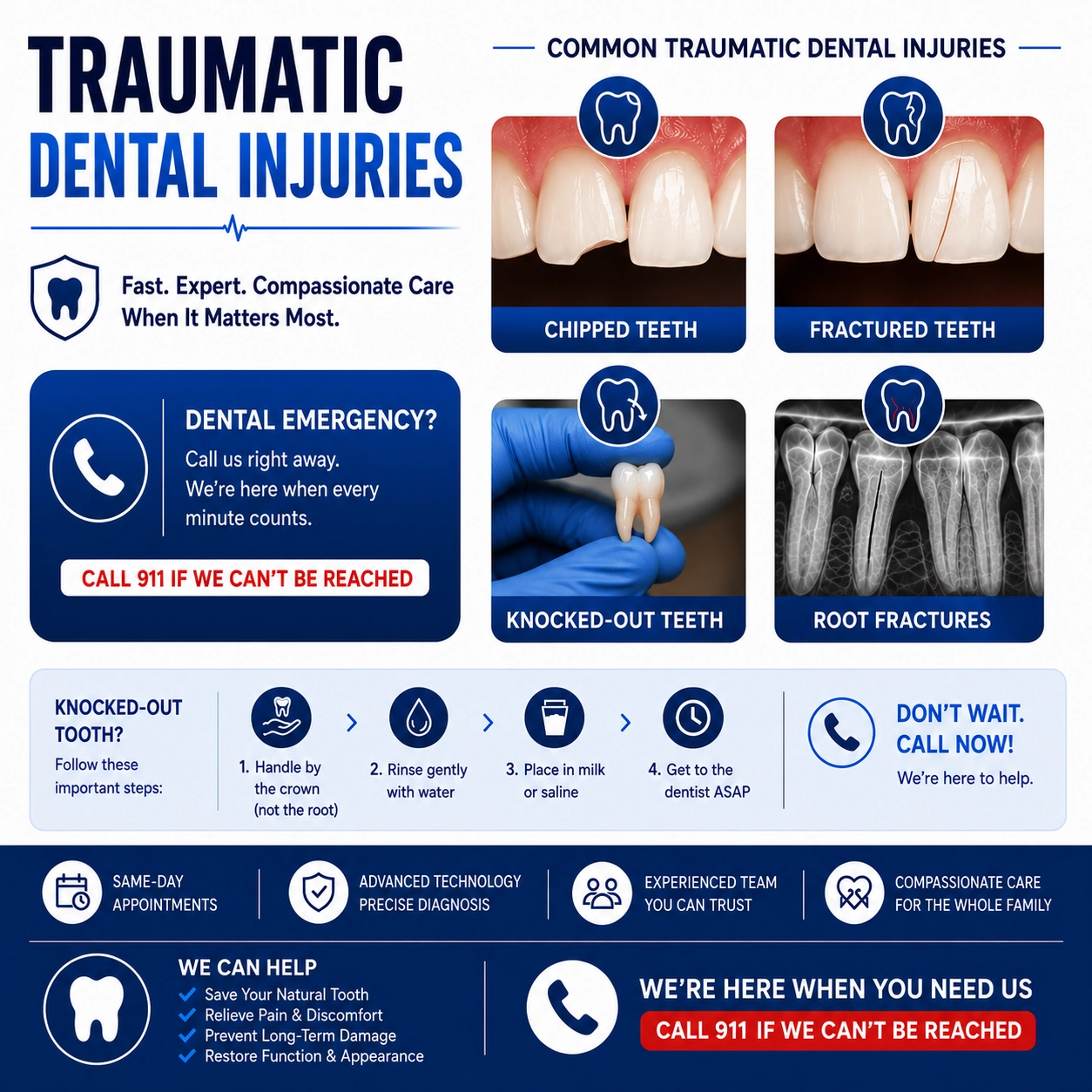
Chipped and fractured teeth are among the most common traumatic dental injuries. These injuries may range from minor cosmetic chips to severe fractures that expose the inner pulp and nerve of the tooth.
Depending on the severity of the damage, treatment options may include:
- Tooth-colored composite fillings
- Dental bonding
- Reattachment of the broken tooth fragment
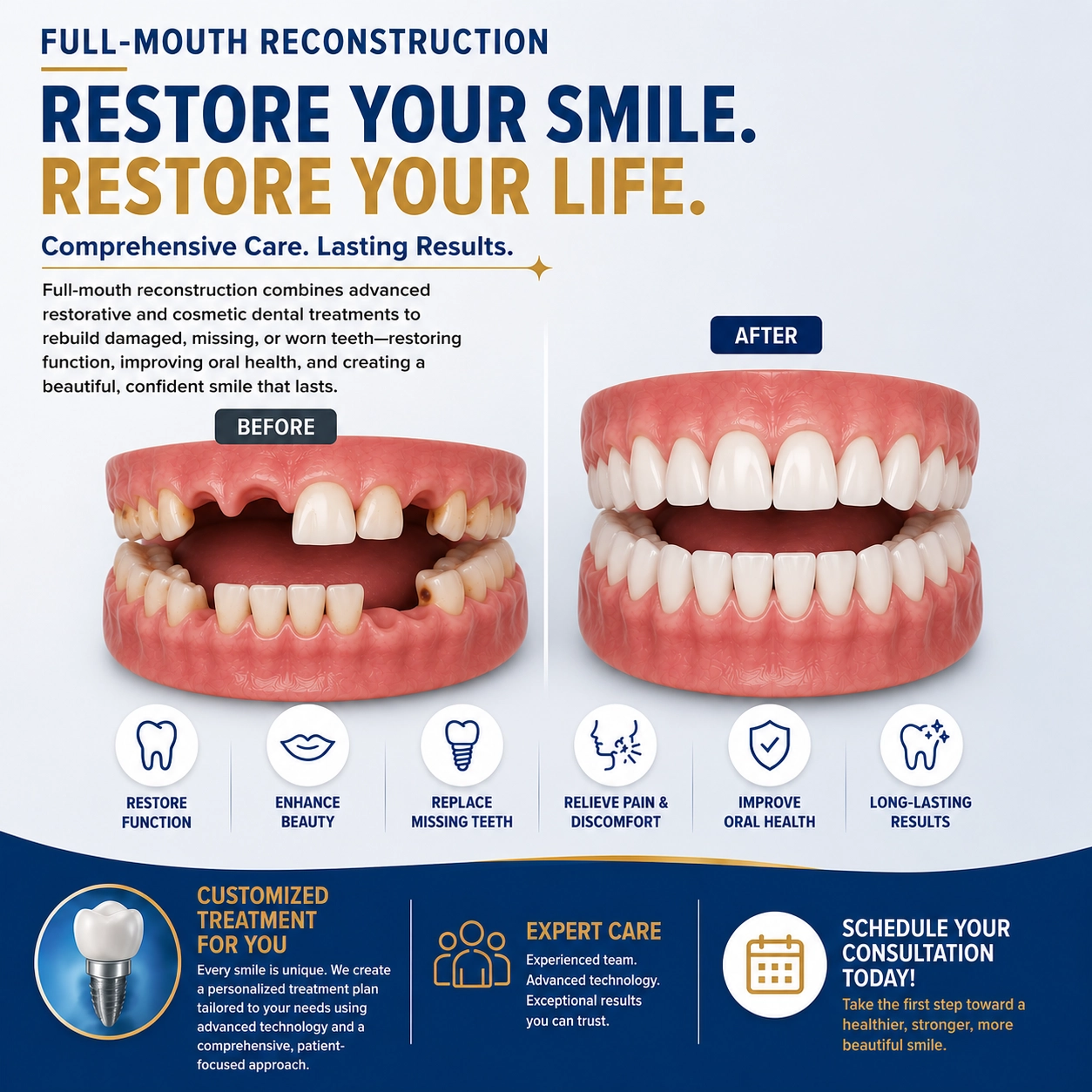
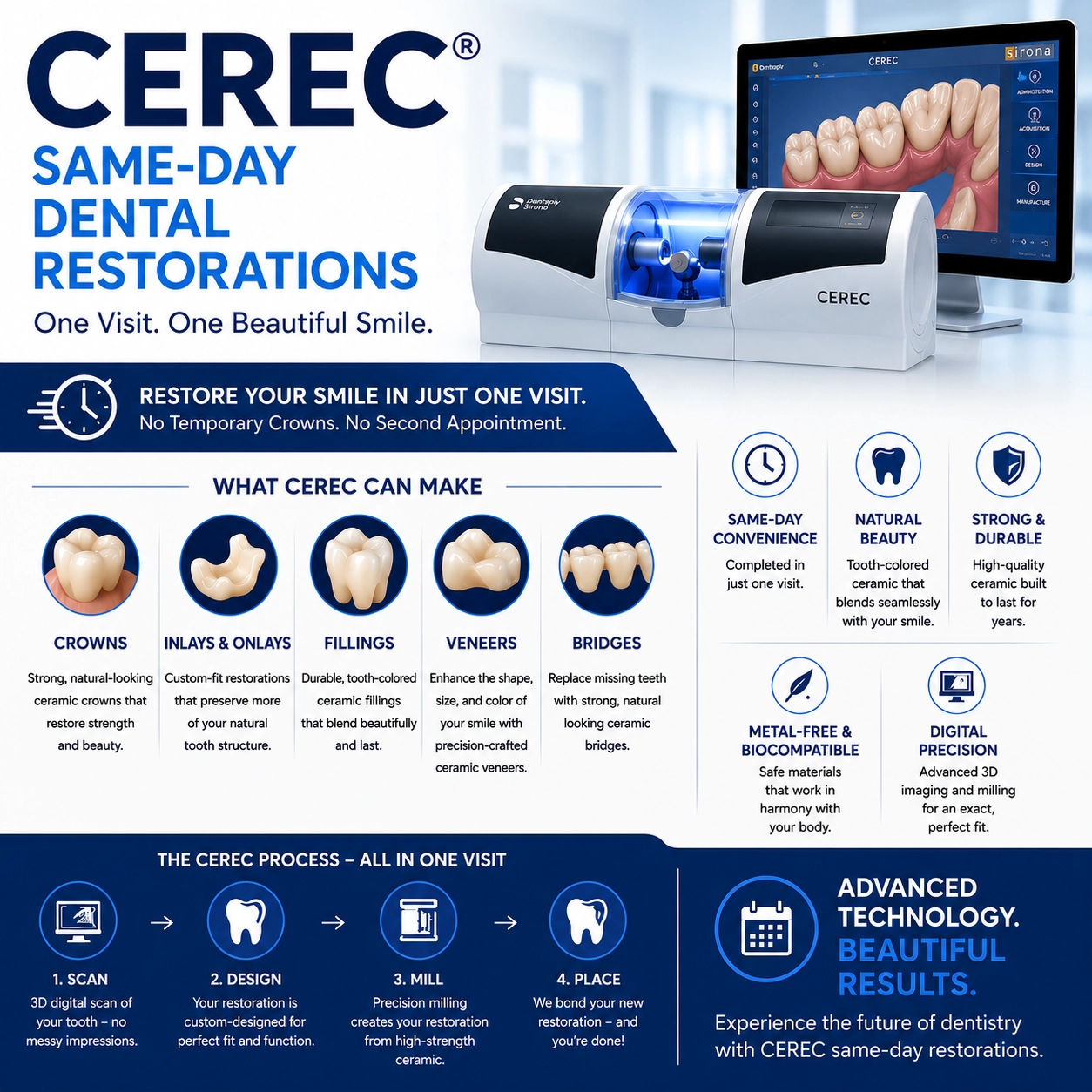
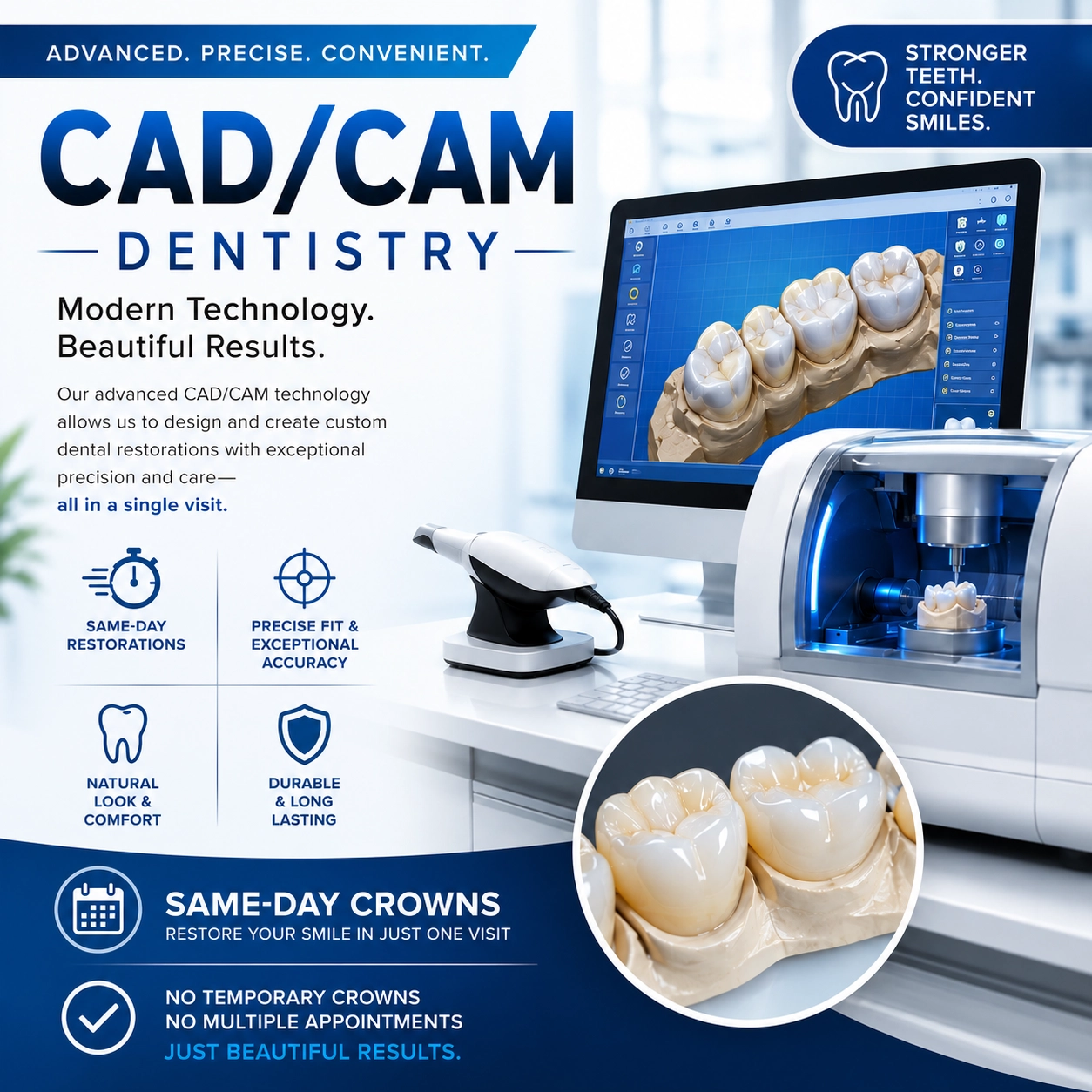
- Porcelain crowns or dental caps
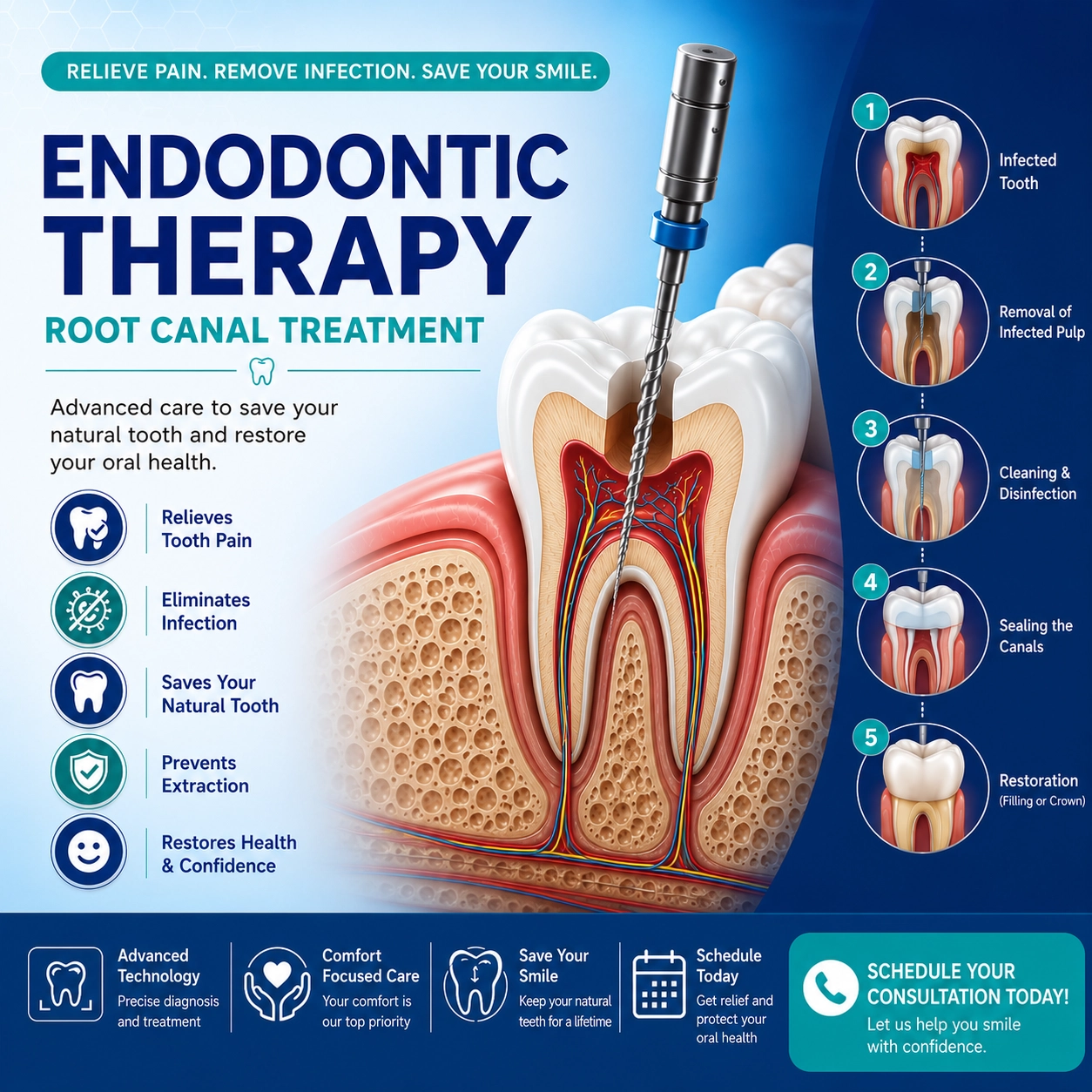
- Root canal therapy
- Tooth extraction in severe cases
Minor chips can often be repaired quickly and aesthetically, restoring the tooth’s natural appearance and function. However, larger fractures may weaken the structure of the tooth and require a custom dental crown for long-term protection.
Injuries involving back teeth frequently include cracked cusps, split teeth, or deep fractures extending into the root. When cracks reach the pulp or root structure, root canal treatment combined with a full-coverage crown may be necessary to save the tooth and restore chewing function.
Prompt diagnosis is extremely important because untreated cracks can worsen over time and lead to infection, pain, or tooth loss.
Dislodged (Luxated) Teeth
A luxated tooth is a tooth that has been pushed sideways, loosened, partially pulled out, or forced deeper into the socket during trauma. These injuries can damage the tooth’s supporting ligaments, nerves, and blood supply.
Your dentist or endodontist may:
- Reposition the tooth into its correct alignment
- Stabilize the tooth using a dental splint
- Monitor healing through follow-up examinations
- Recommend root canal therapy if necessary
For permanent adult teeth, root canal treatment is commonly needed after a luxation injury and is usually started within days of the trauma.
Children between the ages of seven and twelve may not immediately require root canal therapy because their developing teeth still possess regenerative healing potential. In these cases, close monitoring allows the dental specialist to evaluate whether the tooth can continue normal root development naturally.
Knocked-Out (Avulsed) Teeth
A knocked-out tooth, also called an avulsed tooth, is one of the most serious dental emergencies. Fast action can often mean the difference between saving and losing the tooth permanently.
What To Do If a Tooth Gets Knocked Out
If a permanent tooth is knocked out:
- Pick up the tooth carefully by the crown only.
- Avoid touching or scrubbing the root.
- If dirty, gently rinse the tooth with water only.
- Do not use soap, chemicals, or disinfectants.
- If possible, place the tooth back into the socket immediately.
- If reinsertion is not possible, store the tooth in milk or saliva.
- Contact your dentist or endodontist immediately.
The shorter the amount of time the tooth remains outside the socket, the higher the chance of successful reimplantation and healing.
Once you arrive for treatment, your dental provider will thoroughly evaluate the tooth and surrounding structures for additional facial or jaw injuries. If necessary, the tooth will be carefully cleaned, repositioned, and stabilized with a splint for several weeks.
Depending on root development and healing progress, root canal therapy may be started one to two weeks after the injury.
Root Fractures
Traumatic impacts can sometimes cause fractures below the gum line within the root itself. Root fractures are not always immediately visible and may require digital X-rays or advanced imaging for diagnosis.
The long-term prognosis depends heavily on the location of the fracture:
- Fractures near the root tip generally have a better outcome
- Fractures closer to the gum line are more difficult to treat successfully
- Severe fractures may eventually require extraction
Treatment often involves stabilizing the tooth with a splint to encourage proper healing and reduce movement during recovery.
Traumatic Dental Injuries in Children
Children’s teeth require specialized evaluation after dental trauma because injuries can affect both primary (baby) teeth and developing permanent teeth underneath.
Injuries to Baby Teeth
Chipped primary teeth can often be repaired cosmetically. In some rare cases, loosened baby teeth may be repositioned. However, knocked-out baby teeth are generally not replanted because doing so may damage the developing permanent tooth beneath the gums.
Injuries to Developing Permanent Teeth
Immature permanent teeth require especially careful monitoring. Because these teeth are still developing, they may retain enough blood supply and stem cell activity to continue healthy root growth after injury.
An experienced endodontist can evaluate whether regenerative healing is possible and determine if root canal therapy is necessary or if continued observation is the better option.
Root Resorption After Dental Trauma
Following a traumatic dental injury, the body may occasionally begin a process called root resorption, where it mistakenly breaks down and rejects the injured tooth structure.
Root resorption can occur months or even years after an injury, which is why ongoing follow-up care is critical after dental trauma.
Regular examinations allow your dental provider to:
- Monitor healing progress
- Evaluate surrounding bone and gum tissue
- Detect early signs of resorption
- Provide timely treatment if complications develop
Early intervention significantly improves the chances of preserving the natural tooth and preventing further damage.
Emergency Dental Care for Traumatic Injuries
With any traumatic dental injury, time is critical. Immediate dental evaluation can help save teeth, reduce pain, prevent infection, and avoid more invasive procedures later.
Our office provides prompt evaluation and treatment for dental emergencies involving:
- Chipped teeth
- Broken teeth
- Cracked teeth
- Knocked-out teeth
- Dislodged teeth
- Root fractures
- Sports-related dental injuries
- Facial and oral trauma
If you experience a traumatic dental injury, contact our office immediately to schedule emergency dental care. Fast treatment can make all the difference in protecting your oral health and restoring your smile.